150 Essential French Emergency Phrases for Handling Unexpected Safety Situations Abroad
French phrases for situations where hesitation costs time: aidez-moi s'il vous plaît, appelez la police, appelez une ambulance, c'est une urgence. Plus describing what happened and answering the operator.
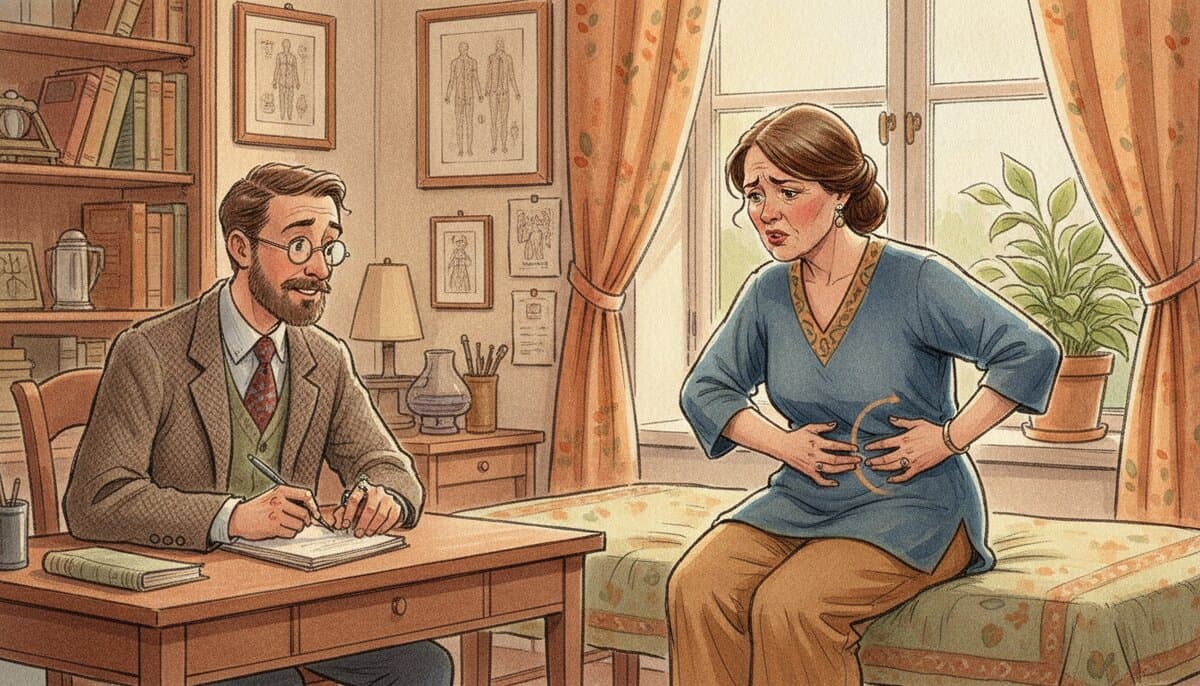
French phrases for a medical appointment abroad: j'ai besoin de voir un médecin, je voudrais prendre rendez-vous, je ne me sens pas bien, j'ai mal à. Plus understanding a diagnosis and the prescription that follows.
French vocabulary for looking after an animal: l'animal de compagnie, le chiot, le hamster, le perroquet, la tortue, le cochon d'Inde. Plus feeding, grooming and describing a symptom at the vet.
French vocabulary for getting around by road: la voiture, le conducteur, le moteur, le pneu, la roue, le volant, le frein. Plus road signs and traffic rules and the phrases for a petrol station or rental desk.
French vocabulary for crime and public safety: le crime, la police, le policier, l'enquêteur, le suspect, la victime, le témoin. Covers news coverage, the legal terms behind it and reporting an incident.
French vocabulary for talking about mental health properly: l'anxiété, la dépression, le stress, l'épuisement professionnel, la thérapie, le thérapeute. Plus the wording that keeps a hard conversation respectful.
French vocabulary for finding somewhere to live: loyer, locataire, propriétaire, bail, caution, studio, meublé. Covers reading a listing, understanding a lease and the paperwork a French landlord expects.
French phrases for the phone, where there is no body language to help: puis-je parler à…?, c'est de la part de qui?, j'appelle au sujet de ma commande. Covers messages, transfers and customer service calls.
French phrases for professional email, where conventions are stricter than in English: Madame, Monsieur, je vous écris pour vous informer, veuillez trouver ci-joint. Plus requests, follow-ups and polite refusals.
Whole French sentences from conversations that actually happen: salut comment ça va, je vais bien merci, enchanté, à plus tard, bonne journée. Ready to use as they stand, each with a translation and its context.
French for working in hospitality rather than eating out: le serveur, le chef cuisinier, le commis de cuisine, le sommelier, le maître d'hôtel. Plus station names and the phrases used with guests up to the bill.
Medical French for staff treating French-speaking patients: le patient, l'infirmier, le chirurgien, l'anesthésiste, le cardiologue. Covers symptoms, diagnoses and treatments plus the vocabulary for taking a history.
French idioms that make no sense translated literally — avoir le cafard, coûter les yeux de la tête, avoir la pêche, poser un lapin, tomber dans les pommes. Each with its real meaning and the nearest English equivalent.
100 words–
–new–learning–known
Copy to my collections
You'll get your own copy to learn and edit; the original stays in the library.