
Library

Ready-made word collections with translations and examples. Clone them and learn right in your browser — on any site, YouTube or PDF.

Word pairs where Quebec and metropolitan French part ways: char and voiture, blonde and petite amie, chum and petit ami, magasiner and faire les courses. Shown side by side with the context each variant belongs to.
150 words
newlearningknown
French vocabulary for an ordinary working day: le bureau, l'ordinateur, l'écran, le clavier, la souris, l'imprimante, plus job titles and departments and the phrases for asking a colleague or raising a problem.
150 words
newlearningknown
French irregular verbs grouped by conjugation pattern, starting with the ones used constantly — être, avoir, aller, faire, dire, pouvoir, vouloir. Present, past and future forms, each with an example sentence in an ordinary phrase.
200 words
newlearningknown
French idioms that make no sense translated literally — avoir le cafard, coûter les yeux de la tête, avoir la pêche, poser un lapin, tomber dans les pommes. Each with its real meaning and the nearest English equivalent.
100 words
newlearningknown
French slang as it is actually spoken: le truc, le mec, la meuf, le boulot, la bouffe, bouffer, bosser, kiffer. Each entry says what it means and how informal it sounds, so nothing lands in the wrong company.
150 words
newlearningknown
Business French for the situations that matter most: la réunion, le bureau, le projet, l'entreprise, le client, le contrat, le budget. Covers meetings and presentations, negotiating terms and professional correspondence.
150 words
newlearningknown
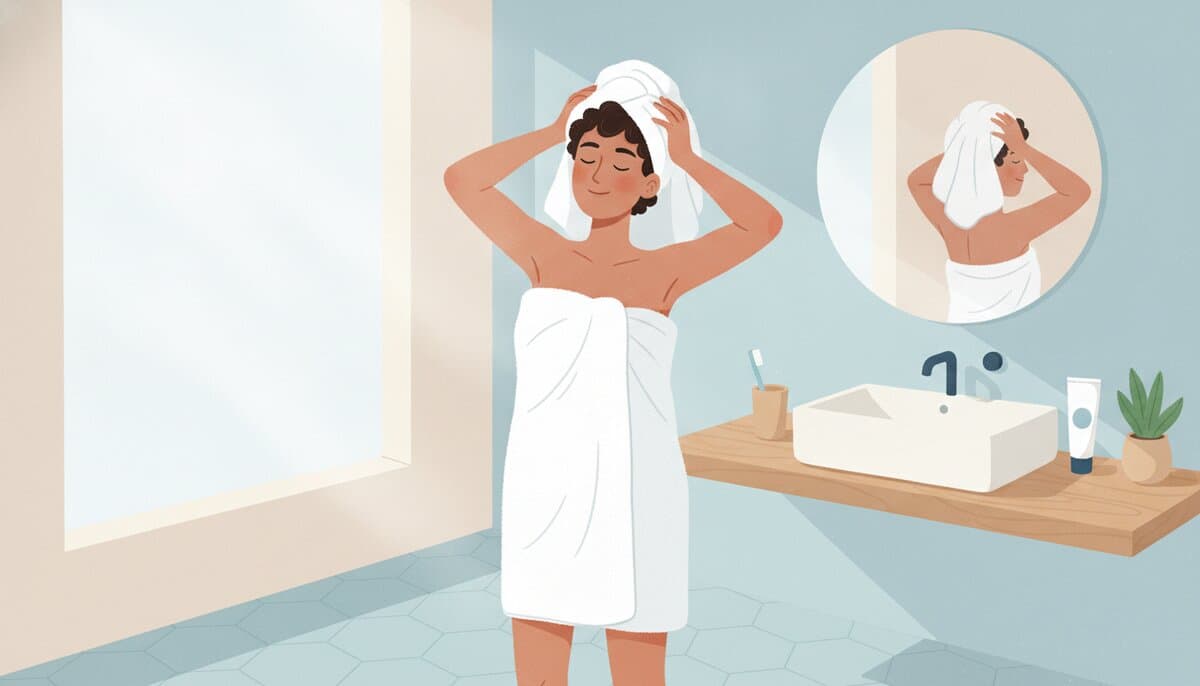
French vocabulary for an ordinary day at home, built around the reflexive verbs a routine actually needs: se réveiller, se lever, se doucher, se brosser les dents, s'habiller. Plus rooms, furniture and household items.
150 words
newlearningknown
Body parts in French from la tête, la main and le bras to the organs that come up at an appointment, plus the vocabulary of symptoms and common conditions needed to explain what hurts and how long it has hurt.
150 words
newlearningknown
French vocabulary for saying how you feel: heureux, triste, en colère, content, surpris, fatigué, stressé, déçu. Covers immediate reactions and lasting moods, each marked with the register it belongs to.
150 words
newlearningknown
French words that look like English ones and mean something else: assister means to attend, attendre means to wait, la librairie is a bookshop and la journée is a whole day. Each pair gives the word you actually needed.
100 words
newlearningknown
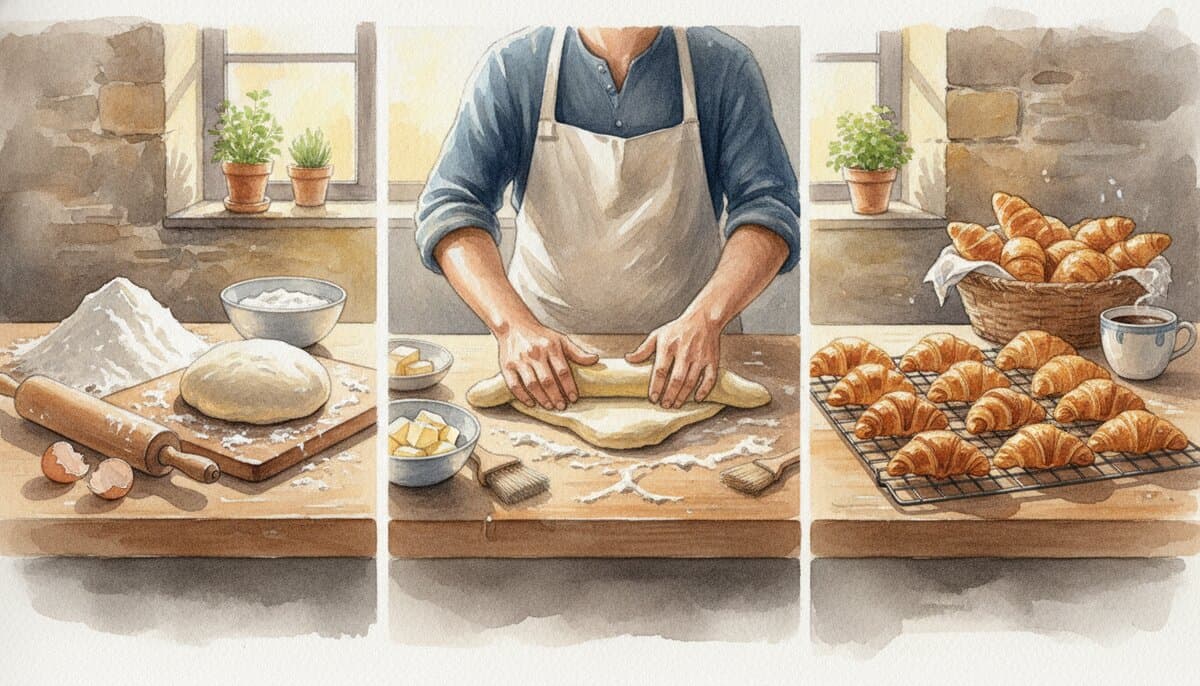
French food vocabulary for reading a menu without guessing: le pain, le fromage, le vin, la viande, le poulet, le poisson, le beurre. Plus cooking methods, the classics of French cuisine and the phrases used to order.
200 words
newlearningknown
French phrases for opening a conversation and not stalling after the greeting: comment allez-vous, ça va bien merci, et vous, je m'appelle. Plus the small talk about weather, work and weekends that usually follows.
100 words
newlearningknown
Numbers in French from un, deux and trois upward, with everything built on them: months, days of the week, telling the time and writing dates. Includes the counting quirks above sixty that catch out almost every learner.
100 words
newlearningknown
Basic French phrases for the first situations anyone faces: bonjour, merci, s'il vous plaît, oui, non, excusez-moi, au revoir. Plus asking for help and admitting you did not understand. Whole phrases, usable as they are.
150 words
newlearningknown
Ready-made French phrases for travelling: bonjour, excusez-moi, parlez-vous anglais, je ne comprends pas, plus checking in at a hotel, ordering in a restaurant, buying tickets and asking directions. Usable exactly as written.
300 words
newlearningknown
The French words worth learning before anything else: bonjour, merci, oui, non, s'il vous plaît, au revoir, bonsoir. Plus numbers, everyday objects and the handful of verbs that most simple sentences are built on.
500 words
newlearningknown
The French words that appear most often in ordinary speech and writing, starting with the verbs everything is built on — être, avoir, faire, dire, pouvoir, aller, voir, savoir. Each with a translation and a sentence showing its use.
1,000 words
newlearningknown
Advanced Spanish vocabulary for the DELE exam, grouped by the topics it actually tests: sociedad, gobierno, economía, investigación, población, desarrollo. Includes the formal register and linking words written tasks expect.
500 words
newlearningknown
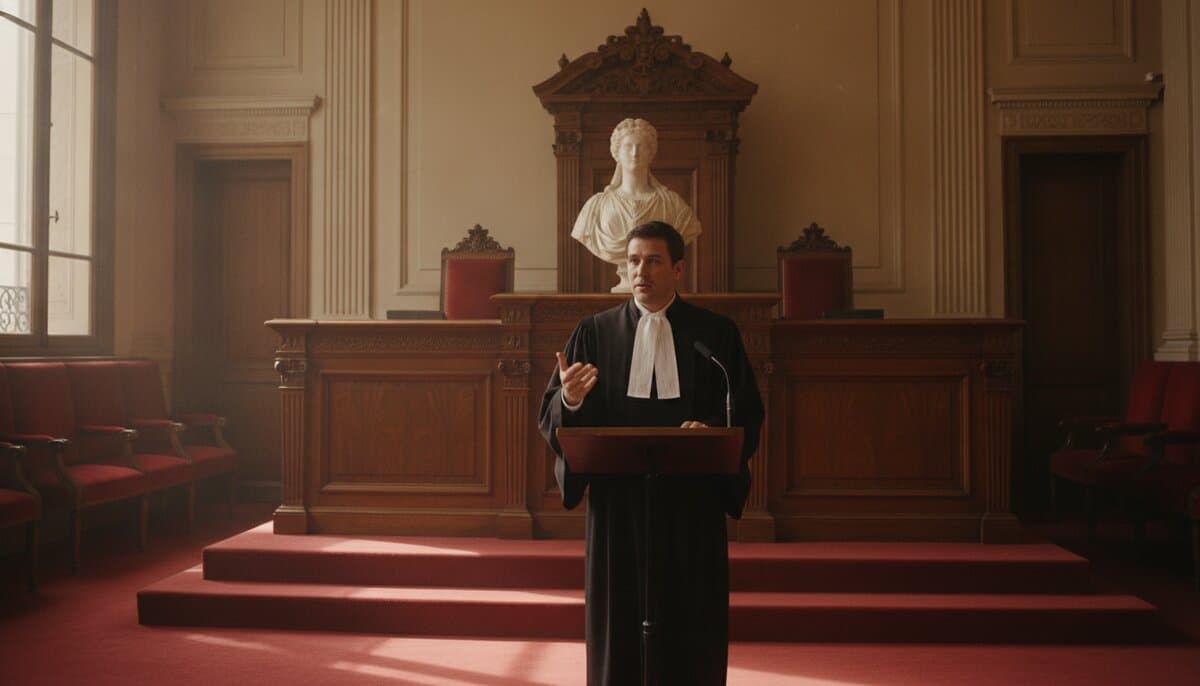
Spanish legal terminology as it appears in practice: abogado, juez, tribunal, juzgado, demanda, acusado. Covers court procedure and the people involved, recurring contract clauses, and criminal against civil vocabulary.
200 words
newlearningknown
Spanish vocabulary for property work: inmueble, vivienda, departamento, terreno, edificio and the features that appear in a listing, plus contract and transaction terms and the language of mortgages and financing.
200 words
newlearningknown
Spanish proverbs still used in ordinary conversation, from más vale tarde que nunca to en boca cerrada no entran moscas. Each with its literal sense, what it actually means and the nearest English equivalent.
150 words
newlearningknown
Spanish for working in a restaurant rather than eating in one: mesero, comensal, pedido, propina, cuenta, turno. Service and kitchen terms, plus the phrases used with customers from the greeting through to the bill.
150 words
newlearningknown
Medical Spanish for staff treating Spanish-speaking patients: paciente, enfermera, diagnóstico, tratamiento, cirugía. Covers body systems, symptoms and treatments, with the vocabulary needed to take a history and explain it.
200 words
newlearningknown

Request a feature

What should we add or fix? We read every message and send a little gift for the idea.

0 / 4000