Numbers in Spanish from uno and dos upward, with everything built on them: months, days of the week, telling the time and the date formats used in Spain and Latin America. Each entry with an English translation and an example.
A1
100 Wörter–
–neu–lernst du–kennst du
Melde dich an, um deinen Fortschritt zu dieser Sammlung zu sehen
Begriff (100)
Bedeutung
unoQuiero uno más
one
dosTengo dos hermanos
two
tresHay tres gatos en el jardín
three
cuatroLa mesa tiene cuatro patas
four
cincoTrabajo cinco días a la semana
five
seisEl partido empieza a las seis
six
sieteLa semana tiene siete días
seven
ochoMi hijo tiene ocho años
eight
nueveEl tren sale a las nueve
nine
diezNecesito diez minutos más
ten
ceroLa temperatura está a cero grados
zero
onceSon las once de la mañana
eleven
doceEl año tiene doce meses
twelve
treceMi número de la suerte es el trece
thirteen
catorceElla tiene catorce años
fourteen
quinceFaltan quince minutos para la clase
fifteen
veinteHay veinte estudiantes en la clase
twenty
treintaSeptiembre tiene treinta días
thirty
cuarentaMi padre tiene cuarenta años
forty
cincuentaLa entrada cuesta cincuenta euros
fifty
cienHay cien personas en la sala
one hundred
milEl pueblo tiene mil habitantes
one thousand
millónLa ciudad tiene un millón de personas
one million
primeroEnero es el primero mes del año
first
segundoVivo en el segundo piso
second
terceroEs la tercera vez que te llamo
third
hoyHoy es un buen día
today
mañanaMañana tengo una reunión importante
tomorrow
ayerAyer fui al cine con mis amigos
yesterday
ahoraNecesito hablar contigo ahora
now
horaLa película dura una hora y media
hour
minutoEspera un minuto por favor
minute
día¿Qué día es hoy?
day
semanaLa próxima semana tengo vacaciones
week
mesEste mes llueve mucho
month
añoEl año pasado viajé a España
year
lunesEl lunes empiezo un nuevo trabajo
Monday
martesLos martes voy al gimnasio
Tuesday
miércolesEl miércoles tenemos una reunión
Wednesday
juevesEl jueves es mi día favorito
Thursday
viernesEl viernes salimos a cenar fuera
Friday
sábadoEl sábado vamos a la playa
Saturday
domingoLos domingos descanso en casa
Sunday
eneroEn enero hace mucho frío
January
febreroFebrero es el mes más corto
February
marzoEn marzo empieza la primavera
March
abrilEn abril llueve bastante
April
mayoEn mayo florecen las flores
May
junioLas vacaciones empiezan en junio
June
julioJulio es el mes más caluroso
July
agostoEn agosto la ciudad está vacía
August
septiembreLos niños vuelven al colegio en septiembre
September
octubreEn octubre caen las hojas de los árboles
October
noviembreNoviembre es un mes tranquilo
November
diciembreEn diciembre celebramos la Navidad
December
mañana por la mañanamañana por la mañana
tomorrow morning
tardeNos vemos por la tarde
afternoon
nocheBuenas noches a todos
night
mediodíaAlmorzamos al mediodía
noon
medianocheLa fiesta terminó a medianoche
midnight
tempranoMe levanto temprano todos los días
early
anocheAnoche dormí muy bien
last night
siempreSiempre desayuno a las ocho
always
nuncaNunca he estado en Japón
never
a vecesa veces
sometimes
prontoNos vemos pronto
soon
despuésDespués de comer voy a estudiar
after
antesAntes de salir cierra la puerta
before
duranteDurante el verano viajamos mucho
during
desdeVivo aquí desde el año pasado
since/from
hastaTrabajo hasta las cinco de la tarde
until
yaYa he terminado la tarea
already
todavíaTodavía no he comido
still/yet
fecha¿Cuál es la fecha de hoy?
date
cumpleañosMi cumpleaños es en marzo
birthday
calendarioMira el calendario para ver el día
calendar
relojMi reloj marca las tres en punto
clock/watch
sigloEstamos en el siglo veintiuno
century
pasadoEl mes pasado estuve de viaje
past/last
próximoLa próxima semana es mi examen
next
en puntoen punto
o'clock
y mediay media
half past
y cuartoy cuarto
quarter past
menos cuartomenos cuarto
quarter to
dieciséisTiene dieciséis años
sixteen
diecisieteHay diecisiete alumnos presentes
seventeen
dieciochoA los dieciocho años puedes votar
eighteen
diecinueveEl autobús número diecinueve va al centro
nineteen
sesentaUna hora tiene sesenta minutos
sixty
setentaMi abuela tiene setenta años
seventy
ochentaEl estadio tiene ochenta mil asientos
eighty
noventaNoventa por ciento de los estudiantes aprobaron
Whole Spanish sentences from conversations that actually happen — ¿cómo estás?, estoy bien gracias, mucho gusto, buenos días. Ready to use as they stand, each with a translation and the situation it belongs in.
Spanish vocabulary for sport and training: fútbol, partido, equipo, gol, jugador, plus exercises and gym equipment, and the words needed to follow a match — rules, scoring and the commentary around a competition.
Spanish vocabulary for the world outside: sol, lluvia, cielo, mar, río and the phrases used in a weather forecast, plus the animals, plants and landscapes that come up in ordinary conversation. Each with an English translation.
Body parts in Spanish from cabeza, brazo and mano to the organs that come up at a doctor's appointment, together with the vocabulary of symptoms and common conditions needed to say what hurts and for how long it has hurt.
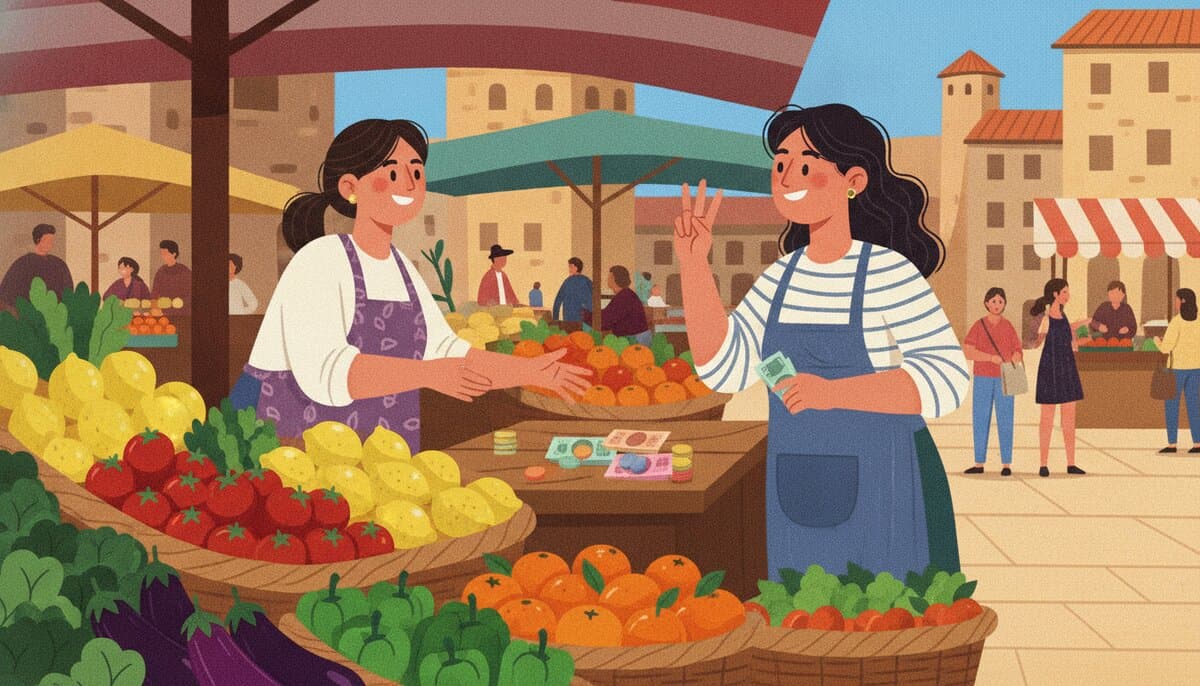
Spanish vocabulary for shopping in person: tienda, precio, comprar, vender, pagar, barato, plus sizes, colours and payment methods. Includes the phrases used at the till and when negotiating a price at a market stall.
Spanish vocabulary for describing how you feel: feliz, triste, contento, miedo, and the finer words that separate annoyed from furious. Each with a translation and a sentence showing the register the word belongs to.
Spanish prepositions and connectors sorted by what they do in a sentence — de, en, a, con, que, por, para — including the por and para split that no single rule survives. Each use is shown with an example rather than a grammar label.
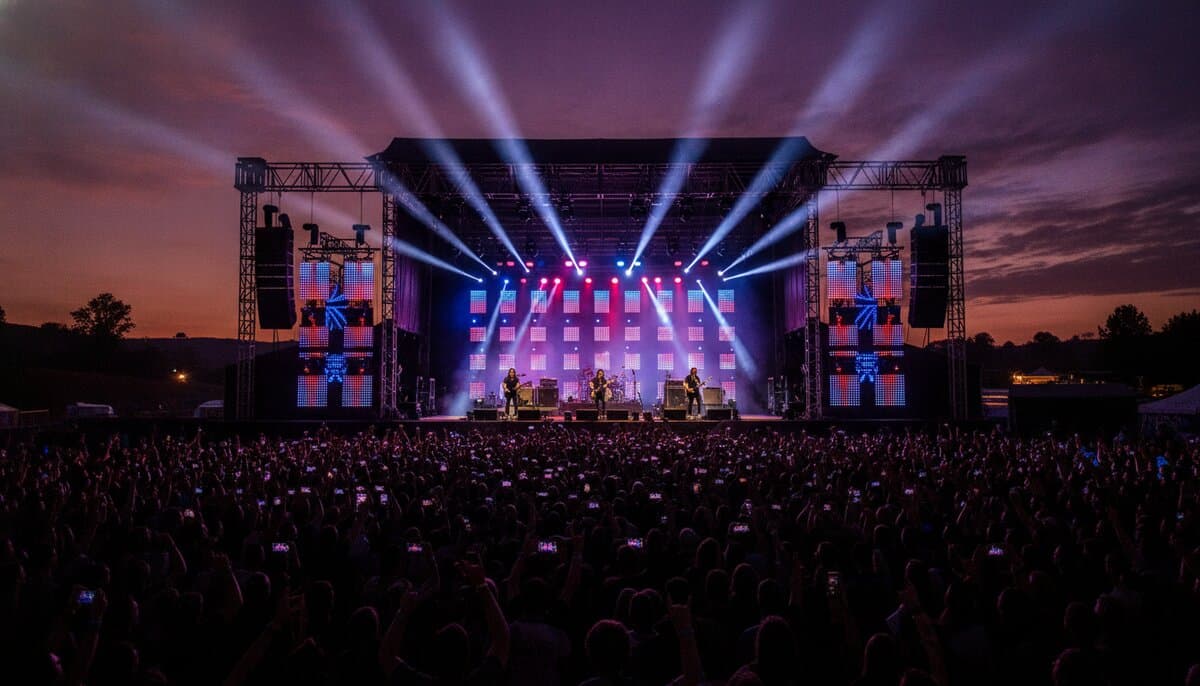
Spanish vocabulary for music: la canción, el cantante, la banda, el concierto, la guitarra, el piano, la batería. Covers genres and instruments plus everything around a live show, from tickets and the queue to the encore.
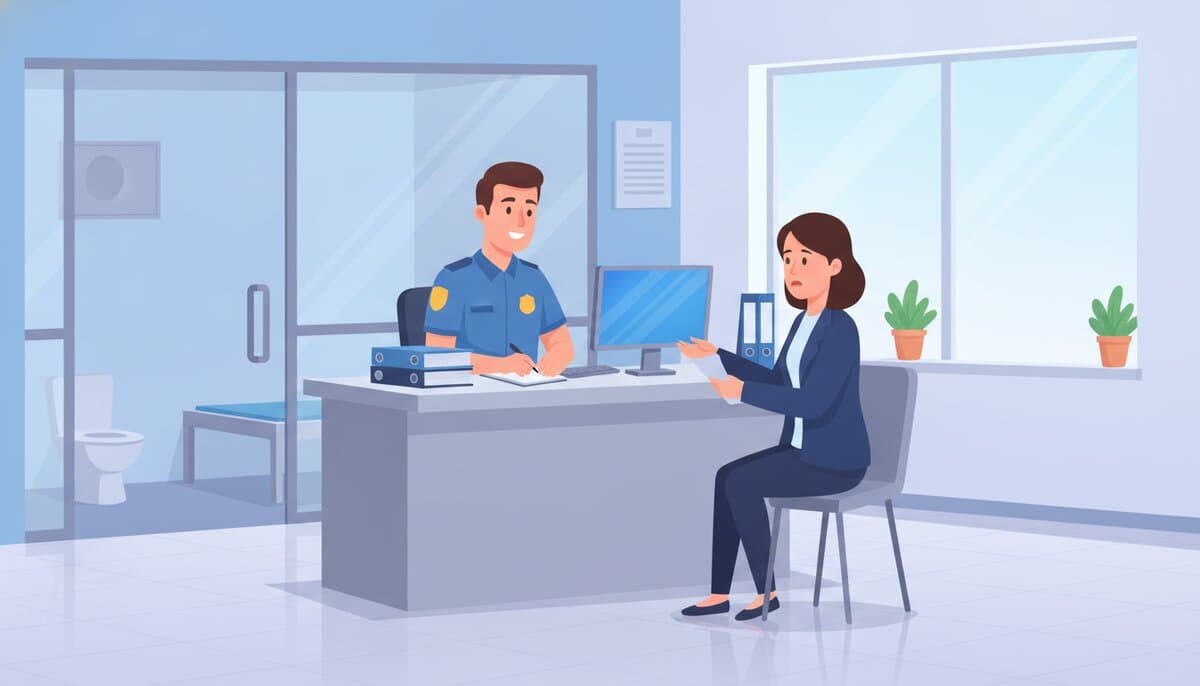
Spanish vocabulary for crime and public safety: el delito, la policía, el agente, el sospechoso, la víctima, el testigo. Covers news coverage, the legal terms behind it and the language needed to report an incident at a station.
Spanish vocabulary for celebrations: la boda, el cumpleaños, la fiesta, la celebración, el día festivo, el regalo, la invitación. Plus everyone involved in a wedding and the toasts and congratulations that are expected.
Spanish vocabulary for looking after an animal: la mascota, el cachorro, el hámster, el loro, la tortuga, la raza. Plus feeding, grooming and daily care, and the words for describing a symptom to a vet and understanding the treatment.
Spanish vocabulary for building and renovating: la renovación, la reparación, remodelar, el contratista, el albañil, el arquitecto. Covers tools and materials, and how to explain a job or buy the right thing in a hardware shop.
200 Wörter–
–neu–lernst du–kennst du

In meine Sammlungen kopieren
Du bekommst deine eigene Kopie; das Original bleibt in der Bibliothek.